
If you’ve been struggling with headaches, jaw pain, or even ringing in your ears, you may have heard about something called an orthotic device for TMJ disorders. But how does this small device actually make such a big difference? Let’s break it down. At this stage in the game, you would most likely have had an MRI (to view soft tissue, the disc) and a CBCT X-ray (to view the cranium, the bone). The MRI will show how damaged or displaced the discs are in the joints. It will also have comments about degeneration of the discs, the condyles, and even the joints. When symptoms are pretty bad (headache/migraines/tremors/neck pain) this often ties into the displaced articular discs and how they are pinching nerves and blood vessels within the sockets.
What Is TMJ Disorder and How Do Orthotics Play a Role?
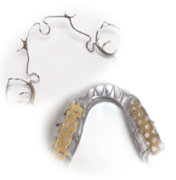
Your TMJ, or temporomandibular joint, is one of the most active joints in your body. It is what allows you to talk, chew, yawn, and move your jaw. However, when the discs in these joints become displaced or damaged, it can lead to a range of uncomfortable symptoms. These can include headaches, migraines, ear pain, neck pain, and even tinnitus (a ringing or buzzing in the ears). Orthotics are specially designed devices that fit into your mouth and provide support to your jaw. They work by repositioning the joints and taking pressure off the displaced discs, nerves, and surrounding blood vessels. This process reduces inflammation and helps restore proper function to the joints. The orthotic may be a simple ALF appliance with turbos or a modified gelb lower appliance both of which address the position of the joint and the needed height for each. By wearing the very simple orthotic device in your mouth, the thickness of the device draws the condyle down from being so deep in the jaw socket that it no longer pounds the damaged disc. Pretty simple, isn’t it? Now that the condyle no longer pounds into the socket, there is less pressure on the disc and also less pressure on the ear, nerve, blood vessel, and fewer symptoms. Note: if the symptoms have been present for a long time, then there is likely going to be nerve damage that cannot be undone. This is unfortunate, but true.
Benefits of Orthotics for TMJ Disorders
The beauty of using an orthotic for TMJ issues is how it can provide relief for a variety of symptoms. Let’s go through some of the ways it can help:
Relieving Headaches and Migraines
When the discs in your TMJ are out of place, they can cause stress on the surrounding nerves. This can trigger chronic headaches or migraines that feel like they’ll never go away. By wearing an orthotic, you give the discs and nerves a chance to heal. The device works to realign your jaw, reducing the stress that’s contributing to your pain.
Easing Tinnitus and Ear Pain
Tinnitus, or ringing in the ears, is a common symptom of TMJ disorders. Many patients also experience earaches or a sense of fullness in their ears due to the pressure from their displaced joints pushing against the ear canal. An orthotic device lowers the pressure on the joints, which can help alleviate these symptoms. While long-term tinnitus can sometimes cause permanent nerve damage, using an orthotic early on often improves or even eliminates these ear-related issues.
Reducing Snoring and Improving Sleep
One unexpected but highly appreciated benefit of orthotics is their ability to reduce snoring. How? By slightly increasing the space in your bite, the device helps to open up your airway, making it easier to breathe. Many patients report better sleep quality after starting orthotic treatment, which in turn improves their overall well-being.
Long-Term Treatment Options
While orthotics can work wonders in relieving symptoms, they are often just one part of a larger treatment plan. After wearing the device for about a year, it’s time to look at more permanent solutions to support your jaw for the long term.
Depending on your situation, options like orthodontics (we use clear aligners to raise the teeth to the correct height) or dental crowns may be recommended. These treatments are designed to help “finish the job” by maintaining the proper alignment and vertical dimension of your jaw. The goal is to provide long-lasting support to your TMJ and keep your symptoms from returning.
Wrapping It All Up
TMJ disorders can be incredibly frustrating to live with, but the good news is that relief is possible. Orthotic devices are a simple yet powerful tool for improving jaw alignment, reducing pain, and addressing the symptoms mentioned previously. While they aren’t a permanent solution on their own, they play a crucial role in preparing your jaw for long-term correction and finishing. If you’ve been experiencing jaw pain or related symptoms, don’t wait to seek help. With the right treatment plan and a little patience, you can find relief and get back to living your life comfortably.