
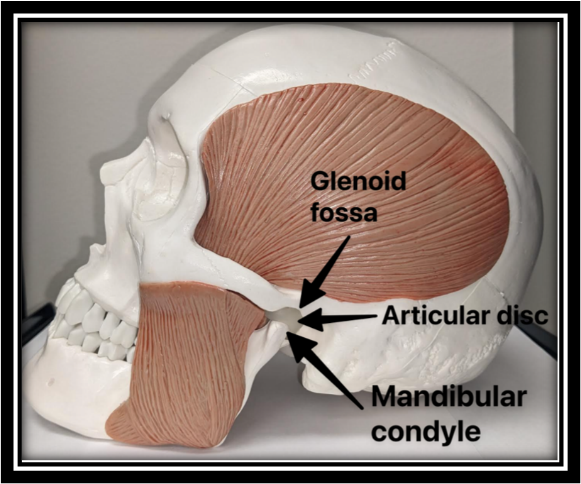
Once again, dear reader, I need to harp on the problem with teeth that have been extracted or just missing. Missing teeth often seem like a minor issue at first, but the consequences can be far-reaching. Every week, I see patients who underestimated the impact of having multiple teeth removed. Over time, this decision can cause a collapse in the jaw’s structure. Specifically, the condyle may shift into the jaw socket, displacing the protective articular discs. This collapse often leads to TMJ disorders and even sleep-disordered breathing. It’s alarming how common this is—many don’t realize the long-term risks until years later. If you’ve had teeth extracted, it’s critical to understand these potential outcomes and take proactive steps to protect your oral health.
Imagine if you had four bicuspid teeth pulled out for braces, like so many people have done over the years. This will often cause the face to retract – come backward – and you end up looking like your grandmother (sorry grandma, but you folks know what I mean). But when the face becomes retracted in this fashion, the airway can become compromised as well. This leads to difficulty breathing and eventually sleep apnea. Sleep apnea can then lead to diseases like cardiovascular problems, diabetes, and even cancer.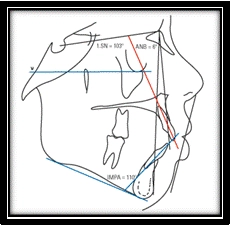
Now let’s look at the TMJ component of excising all those teeth. So, when you pull out those four teeth and retract the lower jaw, now the condyles (the heads of the jaw bones) will more likely bang into the jaw socket and pinch up the discs that cover those condyles. Hmmmm … now that’s a huge management problem – the patient not only has a sunken face leading to sleep apnea, but also has a TM joint problem from a shoved back condyle. Let’s just give up and call it quits already!
By now you are getting the idea- try to avoid extractions or if you cannot then provide support for the correct positioning of your jaw and airway. It is simple as that! I will admit that many years ago, I used to pull teeth for orthodontic treatment. I very quickly realized that this was wrong, and I started doing palatal expanders. Since those early years, I have graduated to using the ALF appliance to not only help with growth, improve the swallow, and to level the bones of the cranium – it’s a much better technique!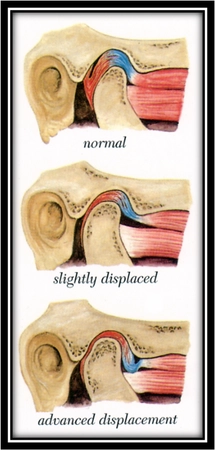
Let’s talk about wisdom teeth. Sometimes it’s just necessary to remove them. There is just not enough room for those teeth. Wisdom teeth removal isn’t just about the procedure itself — it’s about what comes next. When there’s no room for those teeth, extraction is often necessary. But did you know that this process can leave behind 16 square centimeters of bone gaps in the skull? Without support, these areas may collapse, leading to long-term issues. That’s why I recommend ALF appliances to my patients. These devices keep the skull’s bones stabilized, reducing the risk of further complications and minimizing the need for additional treatments. By addressing the aftereffects of extractions, we can ensure better outcomes for our patients. Let’s manage this wisely.
As you can see, dear readers, sometimes you just have to remove teeth as that may be the only option. If that moment arrives, be aware of how to manage the any potential problems before they become too big to handle. Make the time and the effort to see the right doctor and be aware of what might happen when teeth are removed. Thank you.