
TMJ Pain Stops With US!
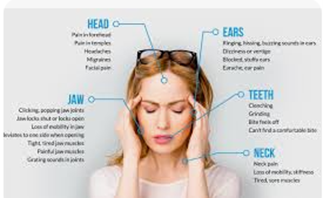
The temporomandibular joint (TMJ) might not be something you think about until it hurts. This essential hinge lets you chew, talk, and yawn, but stress, injury, or teeth grinding can throw it out of alignment. When the joint’s discs shift, they can irritate surrounding nerves and blood vessels, causing pain that interferes with your day. Early intervention is crucial. CBCT X-rays and MRIs are invaluable tools for diagnosing misaligned or damaged discs. Equipped with a precise diagnosis, medical professionals can create a treatment plan tailored to your needs. This guide offers actionable strategies to manage TMJ discomfort and protect your long-term health, helping you move toward a pain-free, more comfortable life.
When the jawbone moves too far into the socket, the resulting pressure often pushes the discs out of place, causing discomfort or pain. A solution to this problem is an orthotic, which helps shift the jawbone downward slightly and eases tension on the affected discs. Many of our patients frequently have reported significant pain relief while using an orthotic during the healing process. In many cases, the disc moves back into place without the need for surgery.
TMJ Pain: Why Control It?
Managing TMJ pain can greatly enhance your life. Dive into these strategies that aim to reduce discomfort and improve your overall health for the better.
Practical In-Office Services for TMJ Pain
To tackle TMJ disorder pain, we utilize a mix of orthotic devices and specialized treatments like BOTOX®, Neubie, massage therapy with laser, osteopathy, and physical therapy. A highlight of our services is the innovative combination of massage therapy and laser technology provided by our highly skilled therapist. This unique approach effectively reduces pain and tension while encouraging deep tissue recovery. Many of our patients find these sessions invaluable and make them a regular part of their week. The result? Better sleep, improved functionality, and a noticeable boost in overall well-being.
Pain relief through physical therapy is a time-tested solution. With our PT experts focused on addressing displaced disc problems, many report noticeable improvements early on. Routine therapy sessions are key to staying comfortable and managing pain effectively.
Our office offers BOTOX to address chronic muscle tension. Many patients discover it helps ‘reset’ muscles that have been overactive for years. Dr. Brown uses his extensive training to inject BOTOX into targeted muscles such as the frontalis, glabella, masseters, and temporalis. Often, relief is rapid and long-lasting. Most individuals need just one or two treatments spaced three months apart, with rare occasional maintenance appointments later. This approach provides a practical solution for tension relief.
Also available in our office, the Neubie machine employs technology similar to a TENS machine. Adhesive pads are applied to specific muscle groups, triggering gentle vibrations when activated. These pulses replicate the sensation of a massage, increasing blood circulation and providing targeted relief. The experience is described as soothing and deeply relaxing, making it a favorite for those seeking comfort.
Practical At Home Tips for TMJ Pain
Here are some actionable strategies to address the issue and their potential benefits:
- Apply Heat or Ice for Immediate Relief
Using a warm compress can help relax tense jaw muscles, while a cold compress can reduce swelling and numb the area. These simple remedies are great for providing quick, temporary relief, especially during flare-ups. - Practice Jaw Exercises
Stretching and strengthening your jaw with specific exercises can improve joint mobility and reduce stiffness over time. For example, gentle resistance exercises or controlled opening and closing movements can help align the jaw and alleviate discomfort. You can find suggestions on our website. - Adopt a Soft Diet
Avoiding hard, chewy, or crunchy foods reduces stress on the TMJ. Opt for softer options like yogurt, soups, or smoothies to give your jaw a break and minimize strain. This does not mean forever just to allow the pain to subside. We have our online cookbook for suggestions. - Manage Stress
Stress can lead to clenching or grinding your teeth, both of which aggravate TMJ pain. Incorporating relaxation techniques such as deep breathing, meditation, or yoga can help you stay calm and reduce tension in your jaw muscles. Self massage in these areas also help. Check out Ruth’s YouTube post: @SleepTMJTherapyVienna (Ruth’s at Home Stretches for TMD, Part 3) - Improve Your Posture
Poor posture, especially while sitting at a desk or using electronic devices, can strain your neck and jaw muscles. Keeping your head aligned with your spine and avoiding forward head posture can help reduce jaw tension. - Consult a Professional
For persistent pain, seeking guidance from a TMJ specialist can make a huge difference. With our office the custom solution general involves oral orthotics, physical or massage therapy sessions, or even more advanced treatments if needed.
TMJ pain doesn’t have to hold you back. By taking proactive steps, such as applying simple at-home remedies, making lifestyle adjustments, and consulting a professional, when necessary, you can work toward lasting relief. The key is to address the pain early and consistently, helping you prevent further complications while restoring comfort to your everyday life. If you’re dealing with TMJ pain, start implementing these strategies today at home — your jaw will thank you!