
Introduction to TMJ and Sleep Disorders
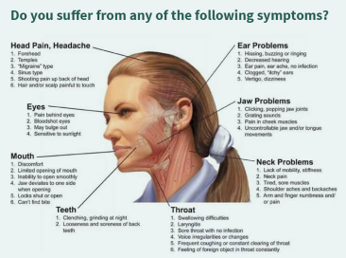
Living with persistent discomfort in your jaw or struggling to get a good night’s rest can take a toll on your daily life. TMJ disorder, which affects the temporomandibular joint connecting your jaw to your skull, often leads to symptoms like jaw pain, neck tension, and frequent headaches. Meanwhile, sleep disorders can cause difficulties like snoring, interrupted sleep, and constant fatigue, leaving you feeling drained and unrefreshed.
Interestingly, these two conditions can sometimes be connected. TMJ issues may contribute to poor sleep quality, as discomfort in the jaw can make it challenging to relax fully at night. Similarly, certain sleep disorders, such as obstructive sleep apnea, can worsen TMJ symptoms by increasing muscle strain and tension in the jaw and neck.
Understanding the interaction between these conditions is an essential first step toward finding effective relief. Addressing both simultaneously can help break the cycle of pain and sleeplessness, paving the way for improved well-being.
Understanding Appliance Therapy
Appliance therapy offers a targeted approach to addressing the challenges posed by TMJ and sleep disorders. Using custom-made orthotic devices, the treatment focuses on reducing discomfort, improving alignment, allowing the displaced disc to reposition and enhancing overall function. For many individuals, these appliances provide significant relief without requiring invasive procedures.
For TMJ disorders, the primary goal of these devices is to minimize stress on the jaw, position the jaw in the correct anatomical position, and allowing the disc to naturally reposition back on top of the condyle. Whether Alf appliances or lower orthotic splints are used the goal is all the same. Achieve the repositioning of the disc to the correct place to alleviate the many symptoms to prevent clenching, grinding, headaches, migraines, tremors, neck pain, or other symptoms. Repositioning the jaw or help guide the jaw into a more natural position will promote healthier joint function.
In the context of sleep disorders, devices like mandibular advancement devices (MADs) play a crucial role in improving nighttime breathing. Within our office, the Panthera gently shifts the lower jaw forward, this appliance helps maintain an open airway, reducing disruptions caused by issues like obstructive sleep apnea or chronic snoring. The improved airflow often leads to more restful, uninterrupted sleep leading to a better day.
Each appliance is customized to fit the patient’s mouth, bite, and the unique needs of the patient. This personalized design ensures maximum comfort and effectiveness, allowing each patient to integrate the devices into their daily lives with ease. As a result, appliance therapy provides a practical and accessible option for managing the wide-ranging effects of TMJ disorders and sleep-related challenges.
Benefits of Appliance Therapy for TMJ Disorder
Appliance therapy offers targeted relief for those experiencing the discomfort associated with TMJ disorders. These custom-made devices, ALF Appliances, are designed to address specific symptoms, providing a non-invasive way to ease tension in the jaw and surrounding muscles. By promoting proper cranial alignment, the sphenoid, mastoids, occiput bones, become even, then the problem of severe discomfort to the body is being corrected. The purpose of the ALF appliance is to realign malposition segments of the cranial bones and reduce the strain that often contributes to the persistent pain and stiffness.
As an example, if your kneecap is slipped off the bone, it can really hurt every time that you try to walk. The pain kicks in and then you compensate by lessening the pressure on the knee and using your other leg more or you twist your hips to compensate. Now, the hips and waist start to hurt and because everyone knows about knee problems, they know that the slipped kneecap is causing your back pain, again, a simple concept. Because TMJ disorder is so poorly understood, the correlation of displaced discs to your headaches is not well understood. But think of it like this: just like the kneecap, the TWO displaced discs on the TM joint in your skull will in most cases create pain within the jaw, head, neck, upper back, etc. The two most active joints in the human body are inside of your skull. The diagnostic tool used is an MRI. Once confirmed the discs are displaced- confirmed by a board-certified radiologist, these powerful joints with displaced discs create more pain or discomfort for so many people!
The next step for some patients is to fabricate an orthotic appliance known as a ‘Modified Gelb’ appliance. This is the generic term for the basic appliance that we make. It will be altered many times as the year of treatment goes by. The appliance aims to decompress the tissues of the jaw joint and allow the discs to go back into position if possible. The fabrication of this custom-made, intraoral orthotic, fitted to the lower jaw, suspends the mandible beneath the cranial base in its proper position while reducing inflammation in the jaw joints. Its purpose is to eliminate adverse loading forces and stabilize the left and right TM joints, which in turn reduces the pressure on the sensitive bundle of nerves and blood vessels within the fossa (jawbone sockets).
Treatment goals are aimed at reducing mechanical stress to the jaw joints, decreasing adverse joint loading, restoring physiological function to as normal as possible, decreasing pain so that minimal modifications of lifestyles are required, increasing range of motion of mouth and jaw opening and decreasing temporomandibular joint sounds when normal jaw function occurs. In addition, the appliance will take pressure off the heads of the condyles (top of the jaw bones) and allow for reformation of damaged or irregular bone and help to restore activities of normal daily living.
Many individuals notice that their headaches become less frequent and less intense when using these appliances. Jaw clenching and teeth grinding, common culprits of TMJ-related discomfort, are also minimized, leading to a noticeable decrease in overall tension. For those who have struggled with neck pain or muscle tightness in the face, appliance therapy can offer much-needed relief by helping the jaw settle into a more natural position.
Additionally, the improved function of the temporomandibular joint can make daily activities—like chewing, speaking, or even yawning—feel more comfortable and natural. This means fewer interruptions to daily routines and a greater ability to focus on what matters most without the constant reminder of discomfort.
Because each appliance is customized to the individual’s unique needs, it ensures a precise fit, enhancing both comfort and effectiveness. This personalized approach allows for gradual improvements that can have a lasting positive impact on quality of life.
How Appliance Therapy Aids Sleep Disorders
Devices like mandibular advancement devices (MADs) are specifically designed to support better sleep by addressing airway obstructions that can disrupt restful nights. By gently repositioning the lower jaw, these appliances create more space in the airway, reducing blockages that may lead to snoring or breathing interruptions. MADs improve airway patency by adjusting the position of the tongue, soft palate, and other structures, thereby aiding in better airflow during sleep.
For individuals with obstructive sleep apnea, the Panthera appliance improved airflow can significantly reduce the number of apneas or hypopneas experienced throughout the night. As a result, individuals often report feeling more rested and alert during the day, with less fatigue interfering with their daily activities. Additionally, the reduction in snoring provided by the Panthera can benefit not just the individual, but also their sleep partner, leading to an improved environment for restful sleep.
The design of these devices prioritizes comfort and effectiveness, ensuring they are tailored to each individual’s unique anatomy. This customization allows for a precise fit that facilitates optimal results without compromising ease of use. Regular adjustments and follow-ups with a dental professional help maintain their effectiveness over time. By addressing the mechanical issues that contribute to disrupted breathing, appliance therapy serves as a practical and non-invasive solution for improving sleep quality. It can play a significant role in minimizing the challenges associated with sleep disorders, offering individuals the opportunity to achieve more consistent, restorative sleep.
Considerations Before Starting Treatment
Appliance therapy can be a highly effective option for addressing TMJ and sleep disorders, but it’s important to assess whether it’s the right fit for your specific needs. Factors such as the severity of your symptoms and your overall oral health play a significant role in determining your suitability for this treatment. Consulting with a dental professional who specializes in these conditions is essential to create a plan tailored to your situation.
One key aspect to consider is the potential for bite changes over time. Permanent changes in occlusion, such as reduced overjet and overbite, are commonly observed during the first two years of MAD treatment. This possibility underscores the need for regular follow-ups with your provider to monitor your progress and make adjustments as necessary. Staying proactive about addressing these changes can help prevent any complications from developing.
Additionally, the success of appliance therapy often depends on the patient’s commitment to wearing the device as prescribed. Consistent use is vital to achieving the best outcomes, whether for managing jaw discomfort or improving sleep quality. You will be guided on how to integrate the appliance into your routine comfortably. Lastly, discussing any pre-existing medical or dental conditions with your provider ensures that appliance therapy aligns with your overall health goals. Certain conditions may influence the type of device recommended, making transparency about your health history an important part of the decision-making process.
Combining Appliance Therapy with Other Treatments
While appliance therapy can significantly improve symptoms of TMJ and sleep disorders, combining it with additional treatments may enhance overall results. Laser and massage therapy is one option that focuses on strengthening and relaxing the jaw, neck, and facial muscles. Targeted exercises can improve mobility, reduce tension, and support better alignment, creating a more balanced foundation for your appliance to work effectively. Another option for individuals whose symptoms are influenced by stress or anxiety, incorporating just the laser or the Nuebie machine assists with calming the muscle and providing relaxation. This helps alleviate tension in the body, including the jaw and neck, contributing to a reduction in TMJ-related discomfort. These techniques can also improve sleep quality by calming the mind and promoting relaxation before bed.
For those who are snoring a laser can assist with tightening up the palate, reducing the tongue size, and providing a more open airway. Addressing lifestyle factors is another way to support the success of appliance therapy. Maintaining a consistent sleep schedule, creating a calming bedtime routine, and avoiding stimulants like caffeine or screen time close to bedtime can help establish a healthier sleep environment.
Regular communication with your healthcare provider is crucial when integrating these additional strategies. They can offer guidance tailored to your specific condition, ensuring each treatment complements your appliance therapy without interfering with its effectiveness. By incorporating supportive practices into your daily routine, you can further promote relief from TMJ symptoms and achieve a more restorative sleep experience.
Conclusion and Next Steps
Taking the next step toward managing TMJ and sleep disorders can feel like a big decision, but appliance therapy offers a practical and personalized path to relief. These devices are carefully designed to meet your specific needs, providing a targeted approach to easing discomfort and improving sleep quality. Starting with a professional consultation allows you to better understand your condition and explore treatment options tailored to your goals. We evaluate your symptoms, discuss potential benefits, and determine whether appliance therapy is the right fit for you. This collaborative process ensures you are informed and confident about your care plan.
Consistency and follow-ups are key to maximizing the success of your treatment. Regular adjustment appointments help fine-tune the effectiveness of your appliance and address any changes in your symptoms. Open communication creates an opportunity to discuss progress, ask questions, and explore additional strategies that may complement your therapy. By committing to your treatment plan and staying proactive about your care, you can move closer to a life with less pain and more restful nights. Appliance therapy serves as a valuable tool on this journey, offering an accessible and effective solution for lasting relief. With the right support, improved well-being is within reach.