
TLDR
Chronic headaches aren’t always caused by stress or fatigue; they may be linked to TMJ (jaw joint) dysfunction. When the jaw is misaligned, it can strain muscles and irritate nerves, leading to persistent headaches or migraines. The good news? Non-surgical treatments from Sleep & TMJ Therapy can address the root cause and help you find lasting relief.
Introduction
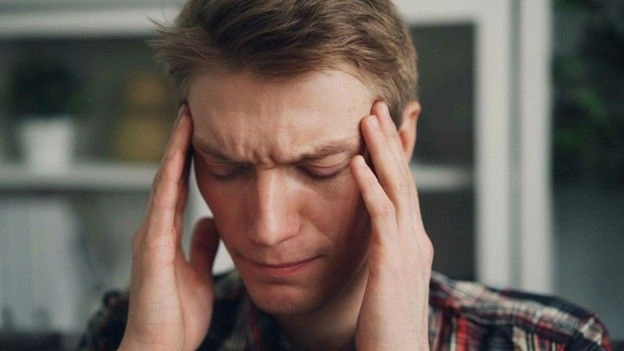
You’ve tried everything: ibuprofen, extra sleep, and cutting back on caffeine. Yet somehow, that persistent headache keeps showing up like an uninvited houseguest. You’ve probably blamed stress, screens, or even the weather. But what if all this time, the real culprit has been quietly hiding somewhere you’ve never considered… your jaw?
For many people, chronic headaches aren’t just “in their head.” They’re often linked to issues with the temporomandibular joint (TMJ), the hinge that connects your jaw to your skull. At Sleep & TMJ Therapy, we’ve helped countless patients uncover this hidden connection and break free from chronic headaches with expert TMJ/TMD treatment in Falls Church, VA.
So, could your jaw be the missing piece in your headache puzzle? Keep reading as Dr. Brown, our trusted dentist and TMJ specialist in Falls Church, VA, explains how your jaw might be sabotaging your comfort and how you can finally find lasting relief.
Is There A Connection Between TMJ and Headaches?
Absolutely. Your TMJ sits just in front of each ear, connecting your lower jaw to your skull. These joints are hardworking hinges involved in nearly every movement your mouth makes. When they aren’t functioning correctly, the ripple effects can reach far beyond your jaw.
Temporomandibular dysfunction (TMD) is a group of conditions that arise when these joints, along with the surrounding muscles and tissues, stop working in harmony. TMD affects approximately 12.4 million U.S. adults, with chronic headaches being one of its most frequently reported symptoms.
What Are the Signs Your Headache Is TMJ-Related?
If your pain is coming from your jaw, your body will usually drop a few clues, including:
- Frequent migraines or headaches, especially in your temples or behind your eyes
- Jaw pain, tightness, or soreness
- Clicking, popping, or grating sounds when you open or close your mouth
- Difficulty chewing or a “locked” jaw
- Neck pain or shoulder tension
- Ear pain, decreased hearing, or ringing in your ears
- Dizziness or vision changes
- Teeth grinding or clenching (often during sleep)
If you’re experiencing these symptoms, contact our dentist and TMJ specialist in Falls Church, VA, for an accurate diagnosis and treatment.
Does Misalignment Trigger Nerve Pain?
Yes. Your jaw is anatomically wired into an incredibly complex network of nerves and muscles. When your bite is misaligned, the muscles stabilizing your jaw have to compensate, working overtime just to keep things functional. Over time, that chronic muscle tension spreads upward into your temples, behind your eyes, and across the back of your head.
The trigeminal nerve, which is the primary sensory nerve of the face and head, is closely connected to the TMJ. When joint dysfunction or muscle strain irritates this nerve, the result can be radiating pain that feels indistinguishable from a tension headache or even a migraine. This is why so many TMD patients spend years chasing headache relief without ever addressing the root cause.
Can You Fix TMJ Pain Without Surgery?
The good news? You can. Surgery is rarely the first step in treating TMJ disorders, and at Sleep & TMJ Therapy, it’s almost never part of the conversation. Before recommending any treatment, Dr. Brown will evaluate your TMJ function to identify the cause and extent of damage. In many cases, we’ll first prescribe a custom-made orthotic splint for musculoskeletal and orthopedic stabilization.
Once your jaw is properly supported, we may recommend the following therapies to address the source of your pain, not just the symptoms:
ALF (Advanced Light Force) Therapy
The ALF uses a light, flexible wire, custom-designed for your mouth, to gently guide your jaw and palate into a more natural position. It sits discreetly behind your teeth, harnessing your body’s natural biology to improve dental alignment and neurological function without compromising your comfort.
Orthodontic Treatments
If your bite is contributing to your TMJ issues, orthodontic care can help. By improving how your teeth and jaw fit together, this treatment reduces strain on your TMJ and helps prevent recurring headaches.
Complementing Therapies
To enhance your results and provide faster relief, we may recommend the following therapies:
- Neuromuscular Massage Therapy: To release deep muscle tension.
- Laser Therapy: To reduce inflammation and promote healing.
- Neubie Therapy: Using electrical stimulation to reset the nervous system, stimulate muscles, and improve function.
- BOTOX® Therapy: To relax overactive jaw muscles and provide immediate relief from tension-driven headaches.
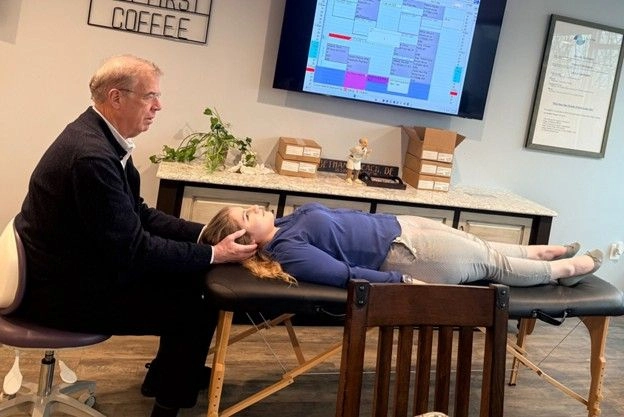
Get Lasting Relief from Headaches with Expert TMJ or TMD Treatments in Falls Church, VA
At Sleep & TMJ Therapy, we provide personalized treatments to restore balance, relieve tension, and help you feel like yourself again, without relying on medication or temporary fixes.
Ready to say goodbye to headaches for good? Schedule an appointment today for lasting relief with expert TMJ and TMD treatments in Falls Church, VA, designed specifically for you.
Key Takeaways
- Chronic headaches can be a symptom of TMJ disorder, not just stress or lifestyle factors.
- The TMJ is closely connected to muscles and nerves in the head, making it a common but overlooked source of pain.
- Signs of TMJ-related headaches include jaw pain, clicking sounds, teeth grinding, and tension in the neck and shoulders.
- Jaw misalignment can strain muscles and irritate the trigeminal nerve, triggering headache or migraine-like pain.
- Most TMJ issues can be treated without surgery using conservative, non-invasive approaches.
- ALF therapy, orthodontic care, and complementary therapies like massage, laser therapy, Neubie, and BOTOX® offered by Dr. Brown at Sleep & TMJ Therapy in Falls Church, VA, can address the root cause and provide lasting relief.
Sources
- https://my.clevelandclinic.org/health/diseases/15066-temporomandibular-disorders-tmd-overview
- https://www.sleepandtmjtherapy.com/services/tmj-tmd-treatments/
- https://www.nationalacademies.org/news/jaw-disorders-are-common-but-care-is-fragmented-and-evidence-based-approaches-are-needed-says-new-report
- https://my.clevelandclinic.org/health/diseases/22010-malocclusion
- https://my.clevelandclinic.org/health/body/21581-trigeminal-nerve
- https://www.sleepandtmjtherapy.com/services/orthodontic-treatments/
- https://www.sleepandtmjtherapy.com/services/laser-and-massage-therapy/