
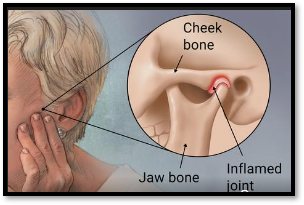
Understanding TMJ Disorder
Temporomandibular Joint (TMJ) Disorder is a condition that affects the jaw joint and surrounding muscles, often leading to discomfort and reduced functionality. This complex disorder can result from a variety of factors, including joint issues, muscle tension, or injury. According to the American Academy of Orofacial Pain (AAOP), TMJ Disorder is often complicated by the coexistence of muscle-related and joint-related issues, making diagnosis and treatment a nuanced process.
Patients may experience a wide range of symptoms that differ in severity, making it a challenging condition to identify and manage. This disorder requires careful diagnosis and a comprehensive approach to treatment. It’s important to consider both physical symptoms and psychological factors that may influence the condition, as these elements often interplay to exacerbate discomfort. Recognizing the complexity of TMJ Disorder can empower individuals to seek timely and effective care, helping to address both immediate concerns and potential long-term complications.
Identifying Symptoms of TMJ
TMJ Disorder symptoms can vary widely, making it challenging to pinpoint the condition. Many people report persistent jaw pain, which may extend to the surrounding areas. Headaches, often mistaken for migraines, are also a frequent complaint. Additionally, some individuals experience ear-related issues, such as ear pain, fullness, or ringing in the ears. Dr. Gary Lowder advises, “If you have jaw issues that are painful, it is worth going and getting an evaluation by a qualified dentist who can manage TMJ-type issues so they don’t cause worse problems later.”
In some cases, symptoms may be subtle or mimic other conditions, complicating diagnosis. For instance, even in severe cases of degenerative joint disease, clinical signs might not always be apparent. Other signs include difficulty chewing, facial pain, or sensations of jaw stiffness. Paying close attention to these symptoms and their frequency can be key to identifying TMJ Disorder. Seeking professional advice can help ensure the appropriate steps are taken to address underlying issues effectively. Recognizing these symptoms early is a proactive step toward better management of the condition.
Here is a list of some possible complaints:
- Jaw Pain
- Jaw Noises (Crunching)
- Jaw Clicking Popping
- Jaw Locking
- Limited Mouth Opening
- Pain When Chewing
- Facial Pain
- Headaches
- Migraines
- Morning Head Pain
- Nocturnal Teeth Grinding
- Ringing In the Ears
- Pain Around the Ears
- Ear Pain
- Eye Pain
- Visual Disturbances
- Dizziness
- Neck Pain
- Back Pain
- Shoulder Pain
- Throat Pain
- Difficulty Swallowing
- Sinus Congestion
- Muscle Twitching
Assessing Jaw Movement
A helpful way to evaluate potential TMJ Disorder is by observing your jaw movement. Start by measuring how far you can open your mouth. For adults, the typical range is approximately 50 mm. If you notice that your jaw opening is restricted, this could indicate a slipped disc within the temporomandibular joint. This limitation in movement may not only cause discomfort but can also interfere with daily functions, such as eating or speaking.
For a more accurate diagnosis, imaging techniques like an MRI can be utilized to assess the position of the disc and identify any issues within the joint. This imaging modality provides clarity on the internal workings of the joint. Identifying abnormalities early is important for addressing the condition effectively.
It’s worth noting that limited jaw movement may also lead to compensation from surrounding muscles, which can cause further strain or discomfort. If you’re observing any noticeable restrictions or discomfort while opening your mouth, this could be a key indicator of TMJ-related concerns.
Listening for Jaw Noises
Pay close attention to any unusual sounds that your jaw might make, such as clicking or popping, as these can be signs of TMJ Disorder. These noises often occur when the cartilage-like disc inside the joint shifts out of place and then snaps back into position. Dr. Gary Lowder explains, “The other type of popping is the one that’s more concerning, and it involves the displacement of the cartilage-like disc, which is inside the joint.”
These sounds can sometimes happen during everyday activities like chewing or speaking and may not always be accompanied by pain. However, repeated or loud noises could indicate an issue with the alignment of the joint or disc function, which can worsen over time if left untreated. It’s important to note that the presence of these sounds doesn’t always mean permanent damage, but they can signal stress on the joint and surrounding muscles.
In some cases, these noises might coincide with other sensations, such as stiffness or discomfort. If you notice persistent or worsening jaw sounds, documenting when they occur and discussing them with a healthcare provider can help identify potential underlying causes and determine the best course of action.
Checking for Restrictive Frenulum
A restrictive frenulum, also known as tongue-tie, can play a subtle yet impactful role in jaw function and overall oral health. This condition occurs when the band of tissue beneath the tongue, called the lingual frenulum, is unusually tight or short, limiting the tongue’s range of motion. While it is often associated with difficulties in speech or eating, it can also contribute to strain on the jaw and exacerbate TMJ-related issues.
To check for this condition, open your mouth and gently lift your tongue toward the roof of your mouth. Look in the mirror to see if the tissue appears tight or prevents the tongue from moving freely. Restricted movement may create added tension in the muscles around the jaw and neck, potentially worsening TMJ symptoms. Some people with a restrictive frenulum may also notice difficulty swallowing or discomfort when speaking for extended periods.
Although this condition is commonly identified in infants and young children, adults can also be affected. If you suspect a restrictive frenulum, it’s important to consult a healthcare professional, such as a dentist or oral surgeon, for further evaluation. They can determine whether treatment, like a frenectomy, is necessary to relieve tension and improve oral function. Addressing this underlying issue can support better jaw health and overall comfort.
Evaluating Clenching and Grinding
Clenching and grinding, also known as bruxism, are habits that many individuals may not even realize they have, as they often occur during sleep or periods of high stress. These repetitive actions put significant strain on the muscles surrounding the jaw, contributing to soreness, fatigue, and even inflammation. Over time, the excessive pressure from clenching and grinding can wear down the enamel on your teeth, making them more susceptible to cracks or fractures. Additionally, the repetitive motion can create undue stress on the temporomandibular joint, potentially worsening TMJ symptoms and misaligning the jaw.
To determine if clenching or grinding might be affecting you, pay attention to signs such as waking up with jaw pain, tooth sensitivity, or tightness in your facial muscles. Another indicator is noticing wear patterns on your teeth, which may appear flat or uneven. If you suspect these habits are present, it’s worth discussing with a dentist or healthcare provider, as they can assess the impact on your oral health. Solutions like night guards, stress management techniques, and jaw relaxation exercises can help minimize the effects of clenching and grinding, ultimately reducing strain on your jaw and promoting better overall health. Recognizing and addressing these behaviors early is crucial to preventing further complications.
Exploring Associated Symptoms
TMJ Disorder can lead to a variety of symptoms that extend beyond the jaw, often manifesting in surprising ways throughout the body. Chronic headaches are a common complaint, sometimes misdiagnosed as migraines, and may be linked to muscle tension or joint stress. Similarly, ear-related issues like pain, fullness, or a sensation of ringing—known as tinnitus—can accompany TMJ problems due to the proximity of the joint to the ear canal.
Muscle tension from TMJ-related issues can radiate to other areas, causing discomfort in the neck, shoulders, and even the upper back. This interconnectedness highlights how strain in the jaw can disrupt overall posture and muscle balance, leading to widespread aches. Some individuals also report facial fatigue or difficulty maintaining proper head alignment, especially after prolonged jaw use.
Increased stress on the temporomandibular joint and surrounding muscles can amplify these symptoms, making daily activities more challenging. These systemic effects emphasize the importance of addressing not just jaw pain, but the broader impacts TMJ Disorder can have on physical well-being. Paying attention to these associated signs can provide a clearer picture of how TMJ might be affecting your overall health and quality of life.
Seeking Professional Diagnosis
If you suspect TMJ Disorder, it’s essential to seek guidance from a qualified healthcare provider, such as a dentist or oral health specialist, who can provide an accurate diagnosis. Professionals utilize various tools to assess the condition, including thorough physical examinations to check for tenderness, misalignment, or restricted movement in the jaw. Advanced imaging methods like MRIs may also be recommended to evaluate the joint and surrounding tissues in greater detail.
Properly identifying the root cause of TMJ symptoms is critical for developing an effective treatment plan. A professional diagnosis allows targeted interventions, which may include therapies to address muscle tension or reduce joint stress. Dr. Gary Lowder emphasizes the importance of prompt evaluation, stating, “I think if it’s painful, it should definitely be addressed.” Early management can help prevent further complications and improve overall comfort.
Additionally, healthcare providers may recommend lifestyle modifications, custom appliances like night guards, or specific exercises to support long-term relief. Properly adjusting the jaw and addressing muscle strain can relieve pressure on the joint tissues, giving inflammation a chance to resolve. Addressing these issues early fosters better outcomes and promotes overall well-being.