
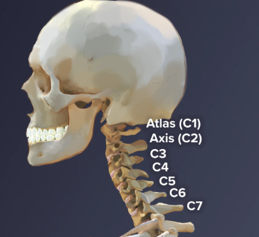
Introduction to Dystonia and TMJ
The relationship between dystonia and TMJ disorders often involves understanding how these conditions may affect the body in interconnected ways. Dystonia, a neurological condition causing involuntary muscle contractions, and TMJ disorders, which impact the jaw joint, are two distinct issues, but both can influence regions like the head, neck, and cervical spine. This overlap in affected areas can create a complex interaction between the two conditions.
TMJ disorders can contribute to tension and discomfort in the surrounding muscles, potentially affecting the alignment and function of the cervical spine. Similarly, muscle spasms or contractions caused by dystonia, particularly in the neck or shoulders, may place additional strain on the jaw joint. Both conditions share symptoms such as pain, stiffness, and difficulty with movement, which may compound one another when experienced together.
Research suggests that the mechanics of the cervical spine and TMJ are interdependent, with dysfunction in one area potentially exacerbating problems in the other. These shared elements highlight the need to assess how cervical spine alignment or tension may contribute to both dystonia symptoms and TMJ-related issues. When dealing with dystonia and how it affects the TM joints, it is important to understand that the one may have causes the other. i.e. the asymmetry in the neck caused the skull to tip and the discs in the jaw joints became displaced due to the neck asymmetry. The other side of the coin is that the patient incurred trauma to the TM joints, this knocked the discs off the condyles, and subsequently the bending of the jaw influenced the neck symmetry. One cannot be looked at without looking at the other is the message here.
Understanding Dystonia
Dystonia arises from abnormalities in the brain regions responsible for controlling movement. These abnormalities can result in disrupted communication between nerve cells, leading to involuntary muscle contractions. It is a diverse condition, with its effects ranging from isolated muscle groups to widespread involvement across the body. The condition’s progression and severity can vary greatly among individuals, influenced by factors such as underlying causes, age of onset, and the type of dystonia present.
When dystonia affects the neck and surrounding areas, it can lead to sustained muscle contractions or spasms, which may cause tilting, turning, or other abnormal head postures. This can place significant strain on the cervical spine and contribute to discomfort or limited mobility. In some cases, these involuntary movements may also trigger secondary issues such as muscular fatigue or inflammation in nearby tissues. The condition may develop due to various reasons, including genetic mutations, brain injuries, exposure to certain medications, or as part of other neurological disorders. In some instances, dystonia occurs with no identifiable cause, known as idiopathic dystonia. Early diagnosis and understanding the type and cause of dystonia are important for selecting appropriate management strategies. Treatment often focuses on symptom management, as no universal cure currently exists.
One area of hopeful treatment is that by properly treating the TM joints and getting them better aligned, this can more readily allow the neck to straighten and reduce the symptoms of dystonia. We have seen this happen on many occasions, but as the patient ages it becomes much more difficult to improve their condition. An MRI is extremely helpful in determining the TMJ factor in the dystonia equation.
Exploring TMJ Disorders
TMJ disorders encompass a variety of issues that impact the temporomandibular joint, which serves as the connection between the jawbone and skull. These conditions can result in jaw discomfort, clicking or popping sounds when moving the jaw, difficulty chewing, and in some cases, headaches or ear pain. The triggers for TMJ disorders vary widely and may include joint inflammation, arthritis, injuries to the jaw, or habitual behaviors such as teeth grinding and clenching, often linked to stress.
The cervical spine is intricately connected to TMJ function. Misalignment or strain in the neck muscles can intensify TMJ-related symptoms by contributing to abnormal muscle activity or restricting jaw movement. This interaction underscores the importance of evaluating neck tension and posture when diagnosing and managing TMJ disorders. Advanced diagnostic techniques, such as imaging studies, can help identify the root cause of dysfunction and guide treatment plans. Treatment approaches for TMJ disorders are diverse and depend on the severity and underlying cause. Orthotic therapy, for instance, has shown considerable promise in relieving symptoms. In a 2014 study, 78% of subjects reported no symptoms of disc displacement with reduction (DDR) after undergoing Orthotic therapy for three months. Additionally, deviations in the condylar path of the TMJ were reduced in 28 out of 30 treated subjects after the same therapy duration. Such therapies aim to restore proper joint function while alleviating pain.
It is essential to consider both the TMJ and cervical spine in treatment strategies, as addressing one area can often improve the other. For individuals with long-standing TMJ issues, exploring a multidisciplinary approach that includes physical therapy, stress management techniques, and tailored medical interventions can lead to more effective symptom relief. Understanding the intricate relationship between the jaw and neck allows healthcare providers to create targeted, patient-specific solutions.
Potential Connection Between Dystonia and TMJ
Muscle tension and abnormal movement patterns are common factors in both dystonia and TMJ disorders, particularly in the head, neck, and jaw regions. Dystonia involving the neck can lead to sustained contractions that alter posture or movement, while TMJ disorders can result in discomfort or limited jaw function. These shared characteristics suggest a possible interaction where one condition may worsen the symptoms of the other.
One hypothesis is that dysfunction in the cervical spine, a key area affected by dystonia, might indirectly impact the temporomandibular joint. Misalignment or tension in the neck muscles could contribute to abnormal jaw mechanics, increasing strain on the TMJ. Similarly, irritation or inflammation in the TMJ may create compensatory changes in the surrounding musculature, which could aggravate neck-related symptoms associated with dystonia.
Additionally, studies suggest that altered sensory and motor processing in dystonia may extend to areas connected to TMJ function, potentially disrupting normal movement and coordination. These neurological changes could influence how the jaw and neck work together, adding to the challenges faced by individuals managing both conditions. Genetic or environmental factors could also play a role, as some patients exhibit overlapping traits that may make them more susceptible to developing both disorders.
Further exploration of this connection may offer new insights into how targeted therapies can address both conditions simultaneously.
Diagnostic Approaches
Accurate diagnosis for conditions affecting the cervical spine, such as dystonia and TMJ disorders, relies on a combination of clinical evaluations and advanced diagnostic tools. For TMJ disorders, the use of a TMJ bilateral MRI is critical in the diagnosis of a TMJ disorder. When looking at the MRI and then comparing it to the advanced CBCT, it becomes quite clear how the TM joints and cervical spine are interrelated. In cases of dystonia, neurological assessments and electromyography (EMG) may be employed to monitor muscle activity and identify patterns of involuntary contractions. This can be particularly useful in cases where neck muscles are involved, as these spasms may have a cascading effect on nearby structures, including the temporomandibular joint.
For TMJ-related issues, clinical examinations typically include palpation of the jaw joint and surrounding muscles to detect tenderness, swelling, or other signs of dysfunction. Patients may also be asked to perform certain movements to evaluate the range of motion and observe any abnormal sounds or limitations in jaw movement. Incorporating posture analysis can also aid in identifying any cervical spine strain that may influence TMJ function.
By combining physical assessments with advanced technology, practitioners can tailor diagnostic approaches to each individual’s needs. Identifying underlying causes of dysfunction, whether structural, neurological, or biomechanical, is crucial for guiding effective treatment strategies.
Treatment and Management Strategies
Management of dystonia and TMJ disorders requires approaches that address their unique challenges while considering overlapping factors. Botulinum toxin injections have proven beneficial in reducing muscle contractions associated with dystonia. Physical therapy focusing on stretching, strengthening, and improving posture can also help alleviate discomfort and enhance mobility. In more severe cases, surgical interventions may be explored, particularly when other treatments fail to provide relief.
For individuals dealing with TMJ-related issues, Orthotic therapy has demonstrated significant efficacy. Studies indicate that Orthotic therapy improved cervical spine range of motion (ROM) and reduced spinal pain after three months. The therapy also helped lower the percentage of individuals experiencing cervical spine pain, with only 8% of subjects reporting cervical spine pain after three months of therapy, compared to 39% after three weeks. Additionally, long-term benefits have been noted, as Orthotic therapy alleviated long-standing cervical spine pain and improved mobility, even after more than 12 months of symptoms.
Combining therapies can often yield more effective outcomes, particularly for individuals experiencing symptoms in both the jaw and cervical spine. For example, incorporating physical therapy, laser, and massage alongside Orthotic therapy can address muscular tension and improve alignment in both areas. Stress management techniques, such as mindfulness or relaxation exercises, may further contribute to symptom relief by reducing involuntary clenching or grinding, which can exacerbate TMJ dysfunction.
Therapies designed to address underlying neurological dysfunction in dystonia can potentially ease tension in the neck, which might subsequently benefit TMJ function as well.
Collaborating with a multidisciplinary team of healthcare providers—including neurologists, dentists, physical therapists, and pain specialists—allows for a more tailored approach to treatment. This coordinated effort helps address the structural, neurological, and biomechanical aspects of these conditions, providing a comprehensive framework for improving quality of life.
Conclusion
Understanding the interplay between dystonia, TMJ disorders, and the cervical spine opens the door to more integrated treatment approaches. Addressing dysfunction in one area often yields positive effects in the others, highlighting the intricate connection between the jaw, neck, and nervous system. The significant improvements in cervical spine mobility following targeted interventions, such as achieving normative values in 70% of patients following treatment, emphasize the importance of developing multidisciplinary strategies. By focusing on the structural, neurological, and functional elements unique to each individual, we can create tailored treatment plans that maximize outcomes. Future studies exploring these relationships will be crucial in refining diagnostic and therapeutic techniques, ultimately improving the quality of life for those affected.
Call Sleep & TMJ Therapy at 703-821-1103 for any questions regarding spine and TMJ disorder in Falls Church, Virginia. Our dentist, Dr. Jeffrey Brown will be happy to discuss treatment during a consultation.